
- Home/
- Buy Nolvadex Without Prescription in Australia Online
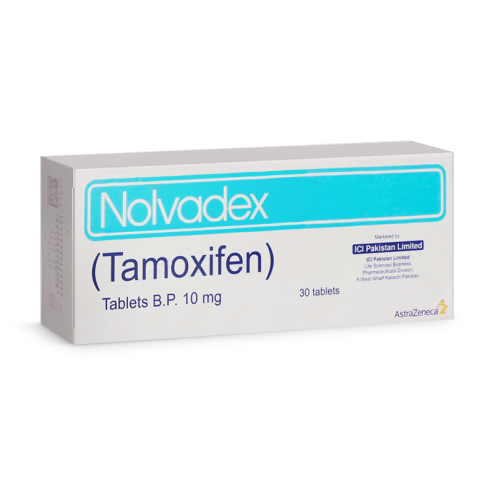
| Medication Name | Nolvadex |
|---|---|
| Main Active Compound | Tamoxifen |
| Used For | Treatment and prevention of Breast Cancer |
| Typical Strengths | 10 mg, 20 mg tablets |
| Initial Effect Timeframe | Within several weeks of daily use |
| Therapy Duration | Usually 5 years or as directed by specialist |
| Dosing Pattern | Oral, once or twice daily |
| Prescription Necessity | Prescription required in Australia |
| Approximate Price Range (Australia) | AUD $15–$40 per month (generic) |
Nolvadex for Breast Cancer: Guidance and Options in Australia
Nolvadex, containing tamoxifen, is a medication widely used for both the treatment and prevention of certain types of breast cancer. It is approved by the Therapeutic Goods Administration (TGA) and available through Australian pharmacies with a valid prescription. Understanding your options, including how and where to obtain Nolvadex, is an important step in managing breast cancer care with confidence.
How common is this problem, and what does it mean for you?
Breast cancer is the most commonly diagnosed cancer among women in Australia, impacting individuals and families across all regions and backgrounds. According to the Australian Institute of Health and Welfare, in 2023 an estimated 20,458 women and 217 men were diagnosed with breast cancer in Australia. While the scale of the issue can be daunting, these numbers also reflect increased screening and awareness, which contribute to earlier detection and improved outcomes. The availability of effective treatments like Nolvadex is one of the reasons survival rates have steadily improved. You are not alone in facing this condition, and there are proven, accessible solutions.
How Nolvadex works against breast cancer
Tamoxifen, the core component in Nolvadex, is known as a selective estrogen receptor modulator (SERM). Many breast cancers grow in response to the hormone estrogen. Tamoxifen acts by attaching to estrogen receptors on breast cancer cells, blocking estrogen from binding there. Without this hormonal signal, the growth and division of these cancer cells slow down or stop altogether.
For you, this means that Nolvadex does not attack healthy cells but rather interrupts a specific pathway that fuels tumour growth. Most patients will not feel an immediate change when starting Nolvadex; its benefit becomes apparent over weeks to months, seen in follow-up scans or through reduced risk of recurrence. As a result, Nolvadex is often recommended as a long-term therapy, especially after the initial treatment (such as surgery or chemotherapy) has been completed, to lower the chance of cancer returning or spreading.
- Mechanism: Tamoxifen blocks estrogen in breast tissue.
- Result: Cancer cells that rely on estrogen lose their growth advantage.
- Consequence for you: Lower risk of cancer coming back or developing in the other breast.
Is Nolvadex right for your situation?
| Your Scenario | Best Course | Reasoning |
|---|---|---|
| Recently diagnosed with hormone receptor-positive breast cancer | Consider Nolvadex | Because tamoxifen directly targets estrogen-driven tumour growth, it is standard care for these cancer types. |
| Completed surgery and/or chemotherapy for early-stage breast cancer | Consider Nolvadex maintenance therapy | Long-term use can reduce the chance of recurrence and improve survival rates. |
| At high risk for breast cancer but no diagnosis yet | Discuss preventive Nolvadex use | In some cases, your doctor may recommend Nolvadex to lower your risk if you have a strong family history or genetic predisposition. |
| Diagnosed with hormone receptor-negative breast cancer | Nolvadex usually NOT recommended | Tamoxifen is not effective against tumours that do not use estrogen for growth. Other treatments are more appropriate here. |
| History of blood clots or taking certain anticoagulants | May not be suitable | Tamoxifen can increase clotting risk. Your doctor will weigh benefits and risks and may suggest an alternative. |
The decision to use Nolvadex is personal and depends on your cancer’s characteristics, medical history, and treatment preferences. If you do not fit these typical scenarios, or if you have complex health needs, your oncologist can help clarify whether Nolvadex is the right choice.
Putting Nolvadex into practice: what to expect, what to do
- Taking the medication: Nolvadex tablets are usually taken once or twice daily, with or without food. Try to take your dose at the same time each day for consistency.
- If you miss a dose: Take it as soon as you remember, unless it is almost time for your next dose. Do not double up to make up for a missed tablet. Missing an occasional dose is unlikely to affect long-term outcomes, but consistency is best.
- If you feel “nothing is happening”: Nolvadex’s benefits are often invisible. It rarely produces rapid symptoms but works quietly to reduce cancer risk over time. Do not stop taking it because you do not “feel” a difference.
- If you experience side effects: Some symptoms like hot flushes or mild nausea may occur, especially in the first weeks. If side effects are troublesome or persistent, contact your doctor — alternative management strategies or medications may be available.
- When to seek urgent help: If you develop sudden leg swelling, chest pain, breathlessness, or signs of a severe allergic reaction (swelling of face/throat, difficulty breathing), call 000 for emergency services in Australia immediately.
- Monitoring: Your oncology team will schedule regular appointments to monitor your progress, manage any side effects, and perform blood tests or imaging as needed.
Always follow your cancer specialist’s instructions. If you have concerns about practical issues, such as splitting tablets or taking Nolvadex with other medications, discuss these directly with your pharmacist or doctor for tailored advice.
Who should avoid Nolvadex?
Some people should not take Nolvadex due to the risk of harm or lack of effectiveness. The most important situations include:
- Hormone receptor-negative breast cancer: Because tamoxifen targets estrogen-driven cancer cells, it is ineffective if your cancer does not use estrogen for growth.
- History of blood clots (deep vein thrombosis or pulmonary embolism): Tamoxifen can raise the risk of blood clots. People with a personal or strong family history of clotting events should avoid Nolvadex unless the benefit clearly outweighs the risk, and only under close medical supervision.
- Known allergy to tamoxifen or any inactive components of Nolvadex tablets: Allergic reactions can be severe and require immediate medical care.
- Pregnancy and breastfeeding: Nolvadex is not suitable during pregnancy as it can harm the developing foetus, and it passes into breast milk.
- Concurrent use of certain anticoagulants (e.g., warfarin): Tamoxifen may interact and increase bleeding risk.
Always inform your doctor of your full medical history before starting Nolvadex, including any medications, supplements, or over-the-counter products you take.
Possible side effects: what is normal, what requires attention
- Common and usually mild: Hot flushes, night sweats, mild nausea, leg cramps, fatigue, and slight changes in menstrual cycles. These often improve over time and do not require stopping the medication.
- Less common but notable: Vaginal discharge or itching, changes in mood, or mild skin rashes.
- Rare but serious (seek medical help): Signs of a blood clot (pain/swelling/redness in leg, sudden breathlessness or chest pain), visual changes, persistent vomiting, or severe allergic reactions (swelling, trouble breathing).
If you experience sudden or severe symptoms, especially those that may signal a blood clot or allergic reaction, call 000 for emergency services in Australia. Most side effects can be managed in partnership with your healthcare team, and adjustments can be made to improve your comfort while maintaining effective treatment.
Medication interactions with Nolvadex
Nolvadex can interact with other drugs, which may affect its safety or effectiveness. The most clinically important interactions include:
- Antidepressants (SSRIs such as paroxetine or fluoxetine): Some can reduce how well tamoxifen works by interfering with its metabolism. Your oncologist may recommend different antidepressants that do not affect tamoxifen.
- Blood thinners (e.g., warfarin): Concurrent use can increase the risk of bleeding and should only be done under specialist supervision, with frequent blood tests.
- Certain herbal supplements: St John’s Wort can reduce tamoxifen effectiveness and should be avoided.
Always provide your doctor and pharmacist with a complete list of all medications and supplements you take before starting Nolvadex. Never begin or stop any new treatment without consulting your cancer care team first.
How does Nolvadex compare to other options?
| Medication/Approach | When Preferred | Main Limitations |
|---|---|---|
| Nolvadex (tamoxifen) | Premenopausal women; hormone receptor-positive breast cancer; prevention in high-risk patients | Not effective for hormone receptor-negative tumours; increased clot risk in certain patients |
| Aromatase inhibitors (e.g., anastrozole, letrozole) | Postmenopausal women; alternative to tamoxifen if intolerant or contraindicated | Bone thinning (osteoporosis), not suitable for premenopausal women without ovarian suppression |
| Fulvestrant | Advanced or metastatic breast cancer after other hormonal therapies fail | Requires injections, not used for prevention |
| Observation/lifestyle changes | Low-risk situations or patient choice | No proven effect on established cancer prevention or recurrence reduction |
Nolvadex is a proven, effective choice for many patients, especially premenopausal women or those with a clear indication for hormonal therapy. However, it is not universally ideal — for postmenopausal women, aromatase inhibitors may offer greater benefit. Your oncologist will help you weigh these options based on your age, cancer profile, and risk factors.
How and where can you access Nolvadex in Australia?
When you are ready to move forward, it is important to understand the practical steps for obtaining Nolvadex in Australia. Typically, Nolvadex can be dispensed from any community or hospital pharmacy with a valid prescription. The medication is subsidised through the Pharmaceutical Benefits Scheme (PBS) for eligible patients, which keeps the cost affordable for most Australians. Many reputable online pharmacies also offer the option to order Nolvadex, including delivery straight to your door, which can be especially helpful during prolonged treatments or if mobility is an issue.
You may also notice adverts for “Nolvadex without prescription” or “Nolvadex online” from non-Australian sources. It is important to be aware that, under Australian law, Nolvadex is a prescription medicine, and buying Nolvadex without prescription from unregulated sites carries risks, including counterfeit medicines, lack of pharmacist support, and legal consequences. Always ensure you purchase Nolvadex from a licensed Australian pharmacy — whether in person or online — to guarantee quality and safety.
If you are concerned about price, generic versions of Nolvadex (tamoxifen) are widely available and provide an affordable option. Many Australians choose to buy Nolvadex online to compare prices and find the most convenient option for regular refills. Whether you want to order Nolvadex for delivery or pick it up from your local pharmacy, it is worth comparing costs and service to ensure you receive genuine medicine at a fair price.
| Cost Component | Estimated Amount (AUD) | Details |
|---|---|---|
| Doctor consultation (initial prescription) | $70–$120 | Standard GP or specialist appointment |
| Prescription fee (if private, non-PBS) | $5–$10 | Some pharmacies may charge; PBS scripts covered |
| Nolvadex (tamoxifen) tablets | $15–$40/month | Generic 10 mg or 20 mg; PBS reduces cost for eligible patients |
| Home delivery (online pharmacy) | $0–$12 | Varies by provider; some offer free shipping |
| Total Cost (first month) | $90–$182 | Initial consult, medication, possible delivery |
| Ongoing Monthly Cost | $15–$40 | Medication only, if script repeats provided |
What you will actually pay for Nolvadex in Australia depends on your prescription status, PBS eligibility, and choice of pharmacy. Online platforms may offer Nolvadex cheap, but verify the pharmacy is licensed before you purchase Nolvadex online or order Nolvadex for home delivery. Always prioritise quality and your safety over price alone.
Remaining questions about Nolvadex access and experience
Clinical advice from Dr Kate Harrison, Consultant Medical Oncologist, Melbourne:
“Patients often ask if they can buy Nolvadex without prescription because of what they see advertised online. In Australia, the TGA strictly regulates this medication for good reason — it ensures quality and safety, which are crucial for effective cancer care. Always seek Nolvadex in pharmacy settings or through reputable online services that require a script. If affordability is a concern, discuss PBS options or generic tamoxifen with your care team. Your peace of mind comes from knowing your medication is genuine and supported by expert guidance.”
- Can I switch between brands? Yes, generic tamoxifen has the same active ingredient and effectiveness as branded Nolvadex. Your pharmacy may offer either, depending on stock, and both are accepted by cancer specialists across Australia.
- How long will I need to take Nolvadex? The standard course is five years, but some patients may benefit from longer or shorter treatment. Your oncologist will recommend a tailored plan based on your risk profile and response.
- Is there a risk of running out between refills? Most pharmacies will dispense enough medication to cover until your next scheduled visit. If you are concerned, ask your provider about repeat prescriptions or the option to purchase Nolvadex online through accredited services.