
- Home/
- Buy Clomid in Online Pharmacy – Fast Delivery Across Australia
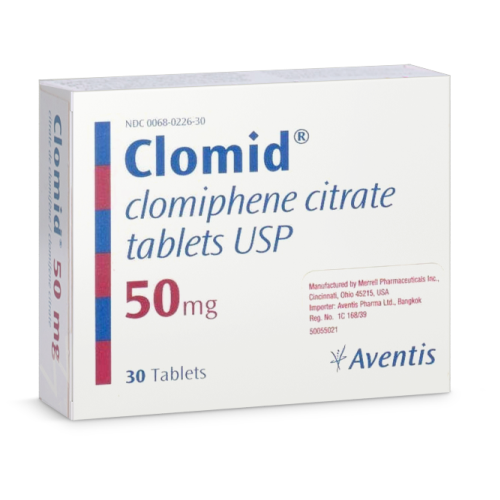
| Medicine Name | Clomid |
|---|---|
| Main Active Ingredient | Clomiphene citrate |
| Use in Treatment | Induction of ovulation in women with Female Infertility |
| Strengths Available | 50 mg tablets (most common), sometimes 25 mg or 100 mg |
| How Soon It Starts Working | Ovulation typically occurs 5–10 days after last dose |
| Duration of Action | A single treatment cycle; repeat cycles may be prescribed |
| Usual Dosing Schedule | Once daily for 5 days, starting early in the menstrual cycle |
| Prescription Status in Australia | Prescription only (regulated by the Therapeutic Goods Administration) |
Clomid for Female Infertility: Detailed Decision Guide for Australia
Clomid is a prescription medication used to stimulate ovulation in women experiencing certain types of infertility. As a well-established treatment, it is legally available in Australia and commonly prescribed by fertility specialists. Understanding how Clomid works and whether it is the right option for you involves more than just knowing the name—it means exploring your personal situation, local guidelines, and the practical aspects of treatment.
Understanding Female Infertility in Australia: You’re Not Alone
Female infertility is far more common than many people realise, and overcoming it is a challenge faced by thousands of Australians each year. According to the Fertility Society of Australia and New Zealand, approximately 1 in 6 Australian couples experience difficulties conceiving. This reality can bring uncertainty, but it also means there are proven pathways to help. Advances in medical treatment, including medications like Clomid, have made the journey to parenthood possible for many. Knowing this, your next steps can be taken with confidence and realistic hope.
How Clomid Works: From Hormones to Hope
Clomid acts on the hormonal system to encourage the development and release of an egg from the ovary (ovulation). It does this by blocking the action of oestrogen at the level of the brain’s hypothalamus—this organ normally “reads” oestrogen levels to decide whether to send signals for ovulation. By blocking these signals, Clomid “tricks” your brain into thinking oestrogen is low, which prompts the pituitary gland to release more follicle stimulating hormone (FSH) and luteinising hormone (LH). The increase in these hormones stimulates your ovaries to mature and release an egg.
Practically, this means that for many women who are not ovulating regularly, Clomid can help restore a predictable menstrual cycle and enable conception. Typically, ovulation occurs 5–10 days after the last dose in a treatment cycle. You may notice changes in your cycle or experience mild symptoms as your body responds. Not every woman will ovulate or conceive in the first cycle—sometimes several cycles are needed to achieve the desired result.
Deciding if Clomid is Right for You: Which Scenario Fits?
| Your Situation | Is Clomid Suitable? | Reasoning |
|---|---|---|
| Irregular or absent ovulation (anovulation) due to polycystic ovary syndrome (PCOS) or unexplained ovulatory dysfunction | Yes | Clomid is most effective for women with ovulation issues not caused by primary ovarian failure; it can restore ovulation and improve chances of conception. |
| Regular ovulatory cycles but unexplained infertility or male partner issues | Sometimes | Clomid may be used in cases of unexplained infertility, but its benefit is greatest for those not ovulating. Other treatments may be preferred if ovulation is already occurring regularly. |
| Ovarian failure or menopause | No | Clomid will not work if the ovaries are no longer capable of responding to hormonal stimulation. In such cases, other interventions are required. |
| Known tubal blockage or severe endometriosis | No | If the fallopian tubes are blocked or damage is severe, ovulation induction alone will not enable conception. Surgical or assisted reproductive options are considered instead. |
In summary, Clomid is best suited to women whose infertility arises from problems with ovulation. It is not effective for everyone, and a fertility specialist can assess whether it matches your diagnosis and reproductive goals.
Practical Use of Clomid: Making Treatment Fit Your Life
- When to Start: Clomid is usually started on day 2–5 of your menstrual cycle (day 1 is the first day of bleeding). The exact day is chosen based on your clinic’s protocol and your medical history.
- How to Take: The medication is taken once daily, at roughly the same time, for 5 consecutive days. A common starting dose is 50 mg per day, which your doctor may adjust in later cycles depending on your response.
- With or Without Food: Clomid can be taken with or without meals, based on your preference and tolerance.
- Non-Standard Situations:
- If you miss a dose: Take it as soon as you remember, unless it’s nearly time for the next dose. Do not double up. If you miss more than one dose, contact your clinic for advice on whether to continue or wait for the next cycle.
- If no ovulation occurs: Your doctor may increase the dose in a subsequent cycle or recommend further evaluation. Not ovulating on Clomid does not mean pregnancy is impossible—sometimes adjustments are needed.
- Monitoring: Most fertility specialists will recommend ultrasound scans and blood tests to monitor your response and reduce the risk of complications such as multiple pregnancies or ovarian hyperstimulation.
- When to stop: If pregnancy does not occur after several cycles (typically 3–6), your specialist may suggest other approaches or investigations.
Throughout treatment, record your cycle dates and any side effects. Keep in close contact with your fertility team, as regular monitoring can optimise your chances of success and ensure your safety.
Contraindications: Who Should Not Use Clomid?
Certain medical conditions mean Clomid is not a safe or effective option. Understanding the reason behind each is essential:
- Liver disease: Clomid is processed by the liver, so impaired function increases the risk of harmful accumulation.
- Uncontrolled thyroid or adrenal disorders: These conditions can interfere with hormonal balance and may worsen with Clomid use.
- Ovarian cysts not related to PCOS: Clomid can increase cyst size or cause rupture.
- Pregnancy: Clomid should not be taken if you are already pregnant, as it offers no benefit and may pose risks to the developing fetus.
- Abnormal uterine bleeding of unknown cause: Until a diagnosis is made, Clomid is avoided to prevent masking serious conditions.
- Known or suspected hormone-dependent tumours: Tumours that respond to oestrogen may be stimulated by Clomid.
If you have any of these conditions, discuss alternative fertility treatments with your specialist. Self-assessment is not enough—medical review is always necessary to determine suitability and safety.
Side Effects: What to Expect and When to Seek Help
Clomid is generally well-tolerated, but side effects can occur. Most are mild and temporary:
- Common: Hot flushes, mood swings, breast tenderness, bloating, nausea, headaches, visual disturbances (such as seeing spots or flashes). These typically resolve after the medication is stopped.
- Less common: Pelvic discomfort, ovarian enlargement, or mild abdominal pain. Report persistent or severe pain to your doctor.
- Rare but important: Ovarian hyperstimulation syndrome (OHSS, symptoms include rapid weight gain, severe abdominal pain, shortness of breath), heavy or irregular bleeding, or severe visual changes. These may require urgent attention.
If you experience sudden swelling, difficulty breathing, or severe abdominal symptoms while on Clomid, seek immediate help—contact the Poisons Information Centre Australia on 13 11 26 for urgent advice or visit your nearest emergency department.
Medicines and Interactions: What Should You Avoid?
Most women can take Clomid safely alongside other common medications, but a few combinations need caution:
- Other fertility drugs: Some medicines used to stimulate ovulation (such as gonadotropins) may increase the risk of multiple pregnancies or OHSS when combined with Clomid.
- Certain antibiotics or anti-epileptic drugs: These may alter hormone metabolism, potentially reducing the effectiveness of Clomid or increasing side effect risk.
- Herbal supplements: Herbal remedies that affect hormone levels (such as phytoestrogens) may influence Clomid’s action or create unpredictable effects.
Always inform your doctor or pharmacist about all medicines and supplements you are taking before starting Clomid. If in doubt, seek professional advice—never stop or combine treatments on your own.
Comparing Clomid to Alternatives: Is There a Better Option?
| Option | Best For | Limitations |
|---|---|---|
| Clomid (Clomiphene) | Women with anovulation or PCOS-related infertility; first-line therapy for mild cases | May be less effective in older women or those with unexplained infertility; risk of multiple births and mild side effects |
| Letrozole (aromatase inhibitor) | Women with PCOS who have not responded to Clomid; sometimes preferred due to lower side effect profile | Not officially approved for infertility in Australia but commonly used off-label; less data on safety in some groups |
| Gonadotropin injections | Women who do not ovulate with oral medications; more intensive treatment cycles | Higher cost, requires regular injections and close monitoring; increased risk of OHSS |
| IVF (in vitro fertilisation) | Women with tubal blockage, severe endometriosis, or when other methods fail | Most expensive and invasive; not the first step for most |
Clomid is often the first medication used because it is affordable, effective for many women, and easy to take. However, it is not always the best fit—those who do not respond or have different causes of infertility may benefit from alternatives. Discuss all options with your fertility specialist to tailor treatment to your needs.
How to Buy Clomid in Australia: Price, Prescription, and Practical Steps
In Australia, Clomid is a prescription-only medication regulated by the Therapeutic Goods Administration (TGA). You can buy Clomid at most community pharmacies once you have a valid prescription from a GP or fertility specialist. Some patients seek to order Clomid online—this is possible both through Australian telehealth platforms and via international sellers, though quality and legal status may vary.
For those looking to purchase Clomid without prescription, it is important to understand that Australian law requires a doctor’s prescription to ensure safe use. However, some international websites may offer Clomid without prescription, but this carries risks regarding authenticity, safety, and legality. Always verify the legitimacy of any online source before proceeding. For people seeking the best value, buying Clomid cheap online is sometimes an option, but be cautious of offers that seem too good to be true.
Clomid is available in pharmacy settings throughout Australia, and many women choose to order Clomid online for convenience—especially if they are using a telehealth provider that connects directly with licensed Australian pharmacies. Price varies, with Clomid in Australia generally costing between $30 and $60 for a pack of 10 tablets, depending on the brand, pharmacy, and dispensing fees. Delivery services may add additional costs, particularly for express or remote area shipping.
| Cost Item | Amount (AUD) | Note |
|---|---|---|
| Doctor consultation (GP or fertility specialist) | $60–$120 | May be claimable via Medicare/private health |
| Prescription cost | Included above or bulk-billing may apply | |
| Clomid (10-tablet pack, 50 mg) | $30–$60 | Depends on brand/generic, pharmacy |
| Delivery (if ordering online) | $10–$20 | Varies by provider and postcode |
| Total | $100–$200 | Consultation + medication + delivery (first-time scenario) |
For ongoing treatment, only the medication and delivery costs repeat if your prescription is valid for multiple cycles. You may also find Clomid affordable through certain pharmacy discount programs or online-only deals, but always confirm the authenticity of the product and the reliability of the supplier.
For those searching to buy Clomid or order Clomid online, Australian regulations are in place to ensure patient safety. The safest and most effective way is to purchase Clomid in pharmacy settings with a valid prescription. While some may seek to buy Clomid without prescription or find Clomid cheap from overseas sources, be aware of the potential legal and health risks involved. If in doubt, consult your fertility clinic or a licensed Australian pharmacist who can guide you on how to purchase Clomid safely and legally in Australia.
Still Have Questions? Clarifying the Final Details
Q: Can I use Clomid for more than six months if I don’t get pregnant?
A: Most specialists recommend limiting Clomid to 6 cycles, as prolonged use can increase risks without improving success rates. If pregnancy has not occurred after this period, your doctor will usually recommend further investigation or a change in treatment approach.
Q: Is it possible to buy Clomid in Australia without a prescription if I have used it before?
A: By law, Clomid requires a prescription regardless of past use. Some online sources may advertise Clomid without prescription, but this is not sanctioned by Australian authorities and carries safety risks.
Q: Will Clomid always work if I have PCOS?
A: Clomid is effective for many women with PCOS, but not all. Some women are resistant and may require alternative medication or further evaluation. Your specialist will monitor your response and adjust as needed.