
- Home/
- Buy Glucophage in Online Pharmacy – Fast Delivery in Australia
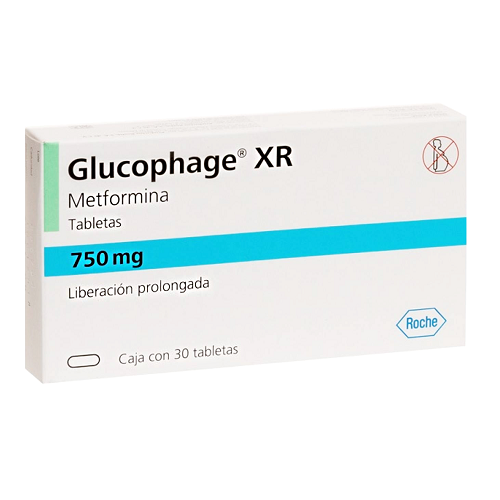
Glucophage is a prescription medication used to treat Type 2 Diabetes in Australia, with metformin as its active ingredient. Before you consider buying or starting Glucophage, know this: it is widely trusted for its effectiveness and safety, but how it fits into your life depends as much on your health goals and habits as on the drug itself.
Glucophage in Australia: What Patients Really Expect (and What Actually Happens)
Picture this: You’ve just left your GP’s office. The script in your hand reads “Glucophage 500 mg, take one tablet twice daily.” For a few moments, it feels almost routine. Yet beneath the surface swirl a dozen questions you might not voice aloud—Will this work for me? Can I just buy Glucophage at any pharmacy, or is it more complicated? Is Glucophage cheap in Australia, or does it get expensive? You’re not alone. Type 2 Diabetes is common here, but the experience of starting Glucophage is anything but generic.
- Many Australians begin with high hopes—expecting weight loss, perfect glucose control, and minimal side effects. That’s not always how the first weeks go.
- Some worry that Glucophage is a last resort. In reality, it’s often the first step—chosen because it balances proven benefits with a safety profile doctors trust.
Clinical Reality Check: In Australia, Glucophage is the most prescribed initial medication for Type 2 Diabetes. The vast majority of patients can fill their script at any community pharmacy on the same day. But how you respond—the actual day-to-day—can’t be predicted by statistics alone.
Your expectations shape your experience. If you expect nothing to change, you may miss early signs of improvement. If you expect too much, you risk disappointment or anxiety over normal adjustment symptoms. The real story of Glucophage is somewhere in-between—steady, evidence-backed, but not magical. What matters is how it integrates with your habits, your values, and your own version of health.
The First Decision: Why Glucophage Is Chosen (and When It Isn’t)
When a diagnosis of Type 2 Diabetes is new—or when blood sugars creep up despite lifestyle changes—the question arises: Why Glucophage, and not something else? Here’s how that decision unfolds in Australian clinics, away from pharmaceutical ads and internet debates.
- Glucophage (metformin) is usually the first-line medication for Type 2 Diabetes because it’s backed by decades of evidence, lowers blood glucose reliably, and—unlike many alternatives—doesn’t cause weight gain or low blood sugar (hypoglycaemia) in most people.
- Doctors select Glucophage for patients who need more than diet and exercise, but aren’t ready—or don’t need—medications with higher risks or costs.
- It’s not the only option. Some patients can’t take metformin due to kidney problems, intolerance, or rare contraindications. In those cases, the next choice might be a sulfonylurea, a DPP-4 inhibitor, or a GLP-1 analogue. Each has trade-offs.
Doctors don’t choose Glucophage because it’s perfect. They choose it because, for most, it’s the best balance of evidence, effect, safety, and cost. If you’re looking to buy Glucophage in Australia, the pharmacy counter is your legitimate starting point, not a click on a questionable online ad.
What Metformin Actually Does—And Why That Matters for You
Metformin, the active ingredient in Glucophage, isn’t just a sugar-lowering agent. It works behind the scenes in several ways: reducing how much glucose your liver makes, making your muscles more sensitive to insulin, and helping your gut absorb less sugar from food. Why does that matter? Because it means Glucophage lowers your blood sugar without pushing your pancreas to make more insulin—a key difference from many alternative drugs. This translates to a lower risk of hypoglycaemia, which is a real concern with other diabetes medications.
- Insulin Sensitisation
- Metformin helps your body use its own insulin more effectively, often resulting in more stable and predictable blood sugars—especially important for those who worry about sudden lows or unpredictable readings.
- Weight Impact
- Unlike some alternatives, Glucophage is not associated with weight gain. Some patients even experience modest weight loss over time—a welcome effect for many with Type 2 Diabetes.
- Heart and Kidney Protection
- Growing evidence (see Australian Diabetes Society) suggests metformin may offer protection against heart disease and slow kidney decline in diabetes, though this benefit is not universal and evidence is still developing.
Metformin’s multi-pronged action sets Glucophage apart from drugs that work in only one way. It’s why most doctors reach for it first, and why, despite being an old drug, it hasn’t been replaced by newer, more expensive alternatives for initial therapy.
The Practicalities: Taking Glucophage Without Drama
Swallowing a pill is easy. Making it work in daily life is harder. Here’s what taking Glucophage really looks like for Australian patients.
- Most start on a low dose (500 mg once or twice daily) to minimise stomach upset, then gradually increase if needed.
- Food matters: Taking Glucophage with meals reduces the chance of gastrointestinal discomfort. Skipping this step is the most common cause of early “I can’t tolerate this” stories.
- Forgetfulness is common. Missing doses won’t cause immediate harm, but consistently missing them reduces Glucophage’s effectiveness. Set reminders if needed.
- Alcohol and Glucophage don’t mix well. Binge drinking while on metformin increases rare but serious risks to your kidneys and metabolism.
| Patient Type | Starting Dose | Maximum Dose | Adjustments Needed |
|---|---|---|---|
| New to Glucophage | 500 mg once daily | 2000 mg/day | Increase by 500 mg every 1-2 weeks as tolerated |
| Moderate Kidney Impairment | 500 mg once daily | 1000 mg/day | Do not exceed 1000 mg; monitor kidney function frequently |
| Elderly (over 80 years) | Individualised | Lower range | Use with caution; consider alternatives if kidney function is reduced |
Interpreting the Table: Most Australian adults will start low and titrate up, aiming for the dose that balances blood sugar control with tolerability. Dose adjustments are crucial for those with kidney issues, and your doctor will monitor this closely (TGA).
Which Side Effects Matter Most with Glucophage—And When to Act
Everyone asks, “Will Glucophage upset my stomach?” It’s the most common side effect, and the most misunderstood. Mild gastrointestinal issues—bloating, nausea, diarrhoea—are reported by up to 20-30% of new users, but often fade after a few weeks. Here’s what to expect—and when a side effect needs more than patience.
Serious side effects are very rare. The one most flagged in textbooks—lactic acidosis—is almost unheard of in practice unless you have severe kidney, liver, or heart disease. Still, it’s a reason your doctor asks about alcohol use, dehydration, and other illnesses before starting or continuing Glucophage.
| Side Effect | Frequency | When to Contact Doctor |
|---|---|---|
| Stomach upset (nausea, diarrhoea, bloating) | 20-30% | If severe, persistent >2 weeks, or causing dehydration |
| Loss of appetite | Common, usually mild | If ongoing and leads to significant weight loss |
| Metallic taste | Occasional | If affecting ability to eat |
| Lactic acidosis (rare) | Very rare (<0.1%) | Seek immediate help if rapid breathing, confusion, severe weakness |
| Vitamin B12 deficiency | Uncommon, develops over time | If symptoms of anaemia or nerve tingling appear |
What This Means for You: Most side effects are mild and pass, but early communication with your healthcare team can prevent small problems becoming big ones. Don’t stop or switch without advice—alternatives may have different risks.
Glucophage Compared: The Alternatives You’ll Hear About (and How They Stack Up)
Patients compare notes—at clinics, online, and in the pharmacy queue. “Should I buy Glucophage, or is another drug better?” Here’s how the main options compare in Australia, grounded in clinical reality, not hype:
| Attribute | Glucophage (Metformin) | Sulfonylureas (e.g. gliclazide) | DPP-4 Inhibitors (e.g. sitagliptin) |
|---|---|---|---|
| Effectiveness | Proven long-term benefit, lowers HbA1c 1-2% | Similar glucose lowering, risk of hypoglycaemia higher | Modest effect, less potent |
| Weight Impact | Neutral or slight loss | Weight gain common | Weight neutral |
| Hypoglycaemia Risk | Rare | Significant, especially in elderly or if meals missed | Low |
| Cost in Australia | Very affordable; PBS subsidised | Affordable; PBS subsidised | More expensive; PBS subsidised |
| Prescription Status | Prescription only | Prescription only | Prescription only |
| Key Side Effects | Gastrointestinal, rare lactic acidosis | Hypoglycaemia, weight gain | Nasal congestion, headache |
| Monitoring | Kidney function | Blood sugar, kidney function | Liver function (occasionally) |
What This Table Means: Glucophage is often cheapest to buy and least likely to cause weight gain or hypoglycaemia—two concerns that matter to Australians starting medication. Its main downside is stomach upset. Most see this fade, but when it doesn’t, alternatives exist—each with their own trade-offs. DPP-4 inhibitors are easier on the stomach, but cost more. Sulfonylureas are cheap, but the risk of low blood sugar is real, especially if you miss meals or are elderly.
doctor’s perspective: “In my practice, Glucophage is the baseline. We only move away from it if there’s a genuine reason—kidney function, intolerance, or patient preference after discussing the options. For those who tolerate it, the long-term data is hard to beat. But when patients ask about buying Glucophage online or inquire about Glucophage without prescription, I always remind them: safety starts with a proper conversation, not a shortcut.”
How (and Where) to Buy Glucophage in Australia: Cost, Prescription, and Online Realities
“How do I buy Glucophage in Australia?” is one of the most-searched questions, and the confusion is understandable—especially with offers to buy Glucophage online or order Glucophage without prescription appearing in paid ads. Here’s the reality for Australian patients:
- Prescription required: In Australia, Glucophage is a Schedule 4 medication. You must have a valid prescription from a registered Australian prescriber—usually your GP or endocrinologist.
- Pharmacy purchase: Once you have your script, you can purchase Glucophage at any community pharmacy. Most stock both original and generic metformin, with generics often being more affordable.
- Online options: Some Australian pharmacies offer online ordering with in-pharmacy pickup or home delivery—but will still require a prescription upload. Be cautious: “Glucophage without prescription” is illegal and may expose you to counterfeit products.
Price differences between pharmacies are minor, but it’s worth asking about Glucophage cheap options if cost is a concern. Pharmacists may suggest a generic metformin, which works identically but can be even more affordable. For those searching “purchase Glucophage in pharmacy,” rest assured: every Australian pharmacy with a valid license will provide it with a prescription. If you’re comparing “Glucophage online” prices, only use reputable Australian pharmacy websites—never overseas sellers or sites offering to ship without a script.
When Not to Take Glucophage: The Red Lines, the Grey Zones
- You have severe kidney disease (eGFR less than 30 mL/min/1.73 m²)—this is an absolute contraindication because of the risk of dangerous acid buildup (lactic acidosis).
- You are experiencing severe infection, dehydration, or shock—these increase the risk of rare but serious side effects.
- You have severe liver disease or advanced heart failure.
- You are about to have a radiological procedure involving contrast dye—metformin is usually paused before and after to protect your kidneys.
- You drink alcohol heavily or binge drink—this can interact dangerously with metformin.
- Mild to moderate kidney impairment—dosing may be reduced, with regular monitoring.
- Elderly patients, especially if frail or with multiple medical problems.
- Known vitamin B12 deficiency—monitoring and supplementation may be required.
Clinical Context: These “red lines” are not arbitrary. They reflect real, serious risks that can outweigh the benefits of Glucophage. If you fall into a grey zone, your doctor will discuss alternatives or extra monitoring. Never start or stop Glucophage without professional advice—even if buying online or ordering from a pharmacy that claims “no prescription needed.”
FAQ: Glucophage in Australia—Real Patient Questions Answered
- Can I buy Glucophage without a prescription in Australia?
- No. In Australia, Glucophage is prescription-only. Any website offering Glucophage without prescription is not legitimate and may risk your health.
- Is Glucophage cheap compared to other diabetes medicines?
- Yes. With a PBS subsidy, most Australians pay only a small co-payment per script—often less than $10. Generics are usually the most affordable option.
- Can I order Glucophage online from an Australian pharmacy?
- Yes, but only from registered Australian pharmacies that require you to provide a valid prescription. Delivery and click-and-collect are common, but the prescription is always mandatory.
- What’s the difference between original and generic Glucophage in Australia?
- Both contain metformin and are equally effective. The main difference is price—generics can be more affordable. Your pharmacist can explain the options when you purchase Glucophage in pharmacy.
- What if I miss a dose of Glucophage?
- Take your next dose at the usual time. Do not double up. Missing an occasional dose is not dangerous, but frequent missed doses reduce effectiveness.
- How long before I feel better after starting Glucophage?
- Blood sugar improvement can be seen within 1-2 weeks, but symptom relief (like reduced fatigue) may take longer or be subtle. Regular monitoring is important to track progress.
- Will Glucophage cause me to lose weight?
- Some patients experience mild weight loss, but it is not guaranteed. Glucophage is weight neutral or leads to small reductions—much less than newer injectable medications.
- Can I keep taking Glucophage if my kidneys get worse?
- Only up to a point. Mild to moderate kidney impairment may require dose adjustment. Severe kidney disease is an absolute contraindication—your doctor will advise.
References
- Therapeutic Goods Administration (TGA) – Australia
- National Diabetes Services Scheme (NDSS)
- Australian Diabetes Society—Clinical Guidelines
- Australian Medicines Handbook, 2023 edition
- Glucophage (metformin) Australian Product Information
- PubMed—Scientific Studies on Metformin
- Australian Institute of Health and Welfare—Diabetes Data
- Mayo Clinic—Metformin Overview