You May Also Like:
Heritage homes across Sydney’s Inner West are full of charm, but their age, materials, and hidden voids can make pest activity far more likely. That is why pest control in the Inner West often requires a proactive mindset, not a once-off “spray and hope” visit.
How Do Original Building Materials in Heritage Homes Attract Pests?
Older construction commonly creates the warm, sheltered pockets pests love, so pest control Inner West providers regularly find activity where owners least expect it. Timber subfloors, aged floorboards, lath-and-plaster walls, and original roof voids can act like ready-made nesting zones for insects and rodents.
Because heritage materials are fragile and access can be tight, high standards, proven methods, a consistent and timely approach matter. The goal is affordable pest control without compromising standards, supported by flexible, thorough, client-specific pest control for varied floor plans, extensions, and conversions.
What a technician looks for during pest control Inner West inspections often includes:
- Mud tubes along piers, walls, or subfloor timbers
- Timber hollowness when tapped
- Frass (fine wood dust) near skirting boards and frames
- Webbing in corners and voids
- Droppings in cupboards, roof spaces, and underfloor areas
- Grease marks along runways
- Entry points near eaves, vents, and the subfloor perimeter
Do Heritage Restrictions Make Pest Control More Difficult?
Yes, because heritage constraints can limit how a technician investigates and treats, making pest control planning in the Inner West essential. Restrictions may include limits on drilling, replacing original timber, altering vents, and changing the external appearance, even where better airflow or access would reduce pest pressure.
These constraints can also delay safe entry into roof cavities and subfloors, so thorough inspections matter more than quick spray approaches. Many households also want eco-friendly, child and pet-friendly options due to older indoor finishes, legacy odours, and ventilation patterns that can circulate residues.
Staying informed through Sydney pest control news helps owners time treatments around seasonal spikes, local outbreak alerts, and weather patterns, often reducing the need for building modifications. For pest control clients in the Inner West, competitive pricing, detailed inspections, and identification of ant infestations help them understand costs before any work begins.
Which Pests Are Most Common in Inner West Federation Homes?
Pest patterns often cluster by suburb and building style, so pest control Inner West teams frequently see the same repeat offenders in Federation-era homes. The biggest drivers are voids, moisture, cluttered storage, and gardens that touch the structure.
Common pests and what attracts them include:
- Rodents (rats/mice): roof voids, underfloor access, overgrown gardens; entry-point sealing and follow-up inspections reduce re-entry risk.
- Spiders and silverfish: damp subfloors, cluttered storage, and undisturbed corners; targeted treatments matter more than blanket chemical use.
- Cockroaches: moisture, food scraps, wall and floor cavities; monitoring and targeted placement work well in older layouts.
- Ants: hidden moisture, cracks, and older timber edges; correct ant infestation identification is key to stopping recurring trails.
- Termites: concealed timbers and moisture; early termite control can prevent extensive damage.
Many Inner West properties are mixed-use or converted terraces, so pest control services for households and businesses, including termite control, are often delivered under one plan. In practice, pest control Inner West programmes work best when they prioritise repeat inspections and prevention, not just knock-down results.
How Do Ageing Drains and Pipes Increase Pest Risk?
Ageing drains, broken traps, and slow leaks add moisture and food sources, which increases pest callouts and make pest control Inner West visits more frequent. Damp subfloors and wall cavities can support termites and cockroaches, and moisture mapping is often central to the quality of inspections.
Treatment time varies based on infestation severity and property size, particularly when moisture issues require staged control and monitoring. A common pathway is coordinated steps: the plumber fixes first, then a pest technician plans, followed by follow-up inspections to confirm activity is dropping.
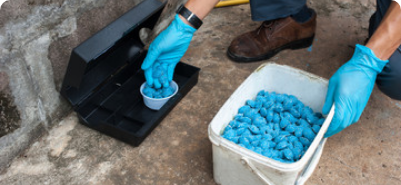
For pest control in the Inner West work in heritage settings, proven methods may include baits, dusts, and targeted treatments placed to avoid damage to original features like skirtings, fireplaces, and ornate cornices.
Can Pest Control Be Done Without Altering Heritage Features?
Yes, pest control Inner West services can be effective while preserving heritage details by using non-invasive diagnostics and precise application. The focus is on solving the cause, then preventing recurrence, without unnecessary disturbance to original materials.
A practical pest control treatment process usually follows: inspection → customised plan → targeted treatments → sealing entry points → follow-up inspections. This approach supports affordable pest control without compromising standards, backed by competitive pricing and a consistent and timely approach that suits owners balancing preservation with safety.
They should call pest control Inner West when they notice droppings, mud tubes, unexplained bites, nightly roof noises, or recurring cockroach sightings. Same-day pest extermination may be available for urgent bed bugs, cockroaches, and similar outbreaks, so owners can act quickly; for tailored help, book pest control Inner West today and request a detailed inspection that suits a heritage layout, whether they search pest control Inner West or pest control inner west.