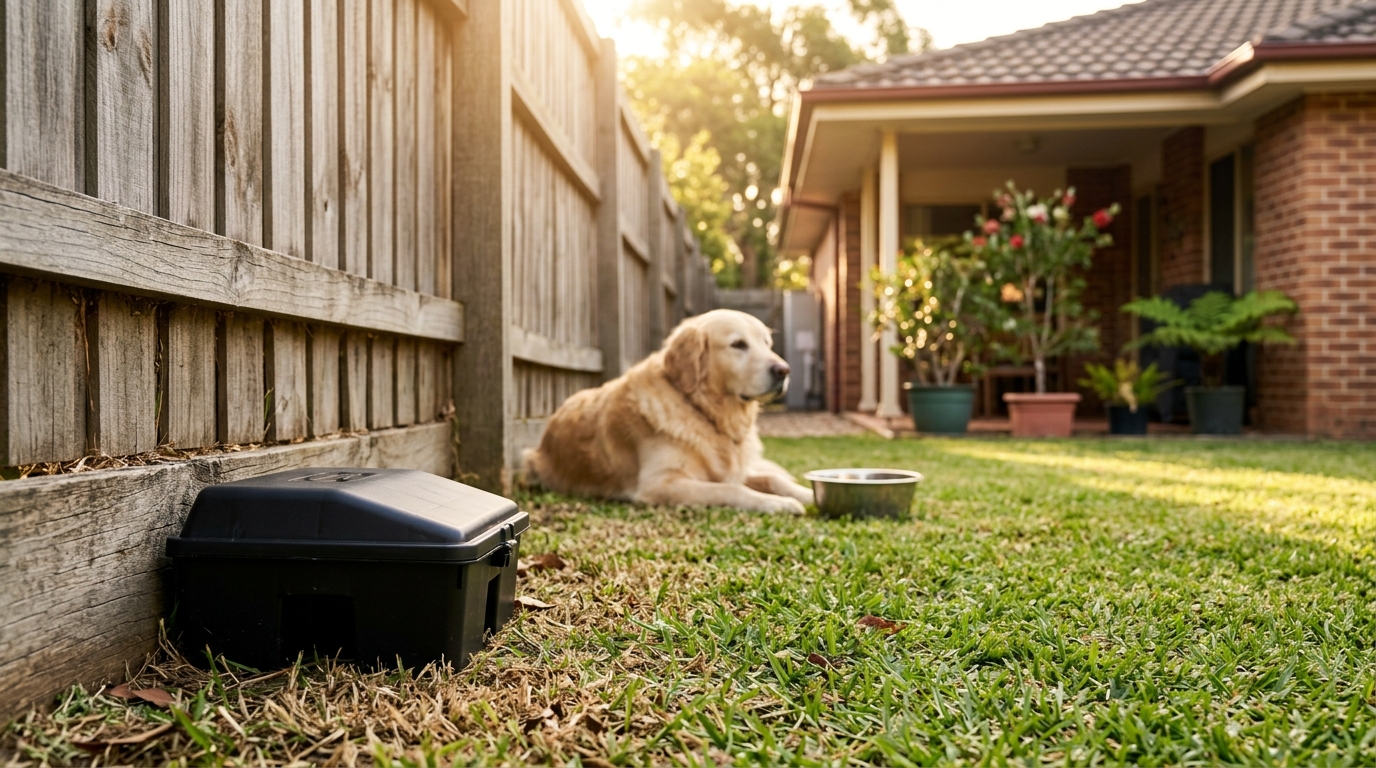
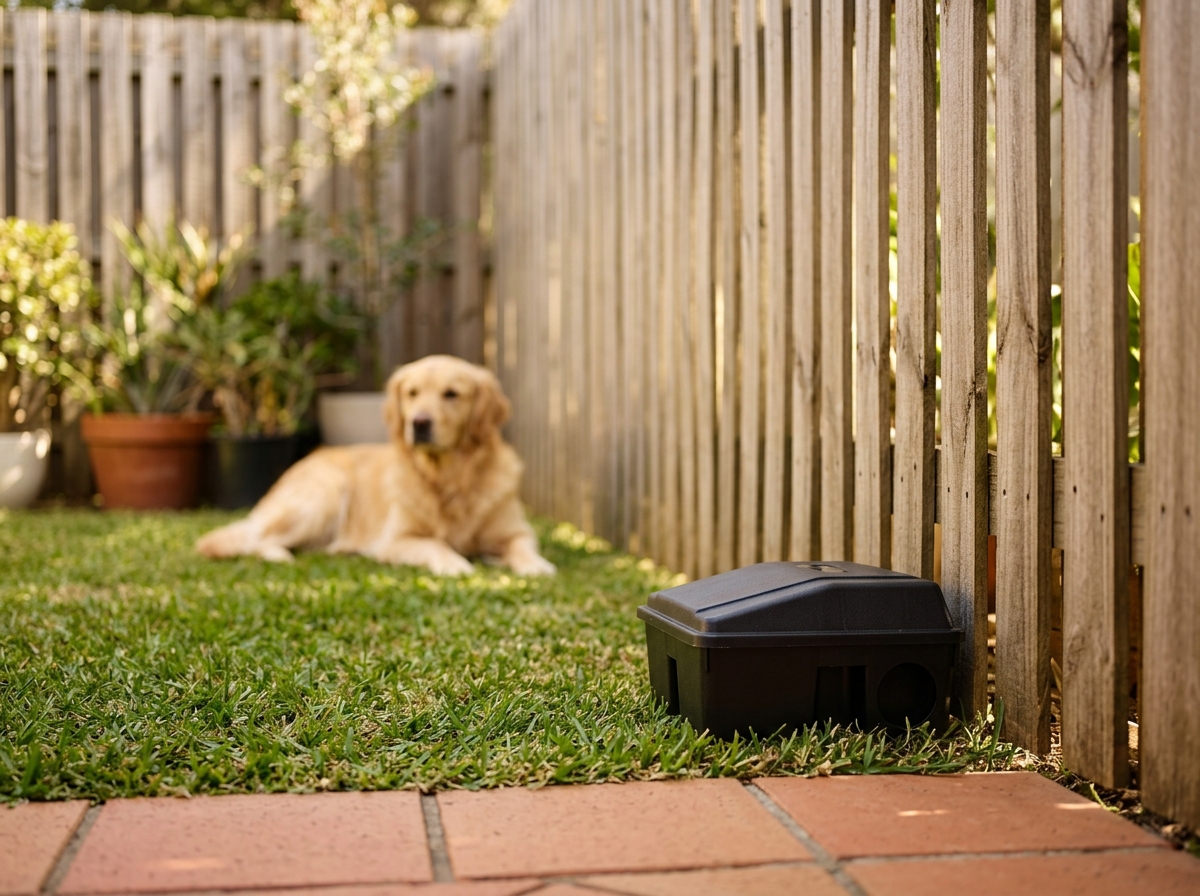
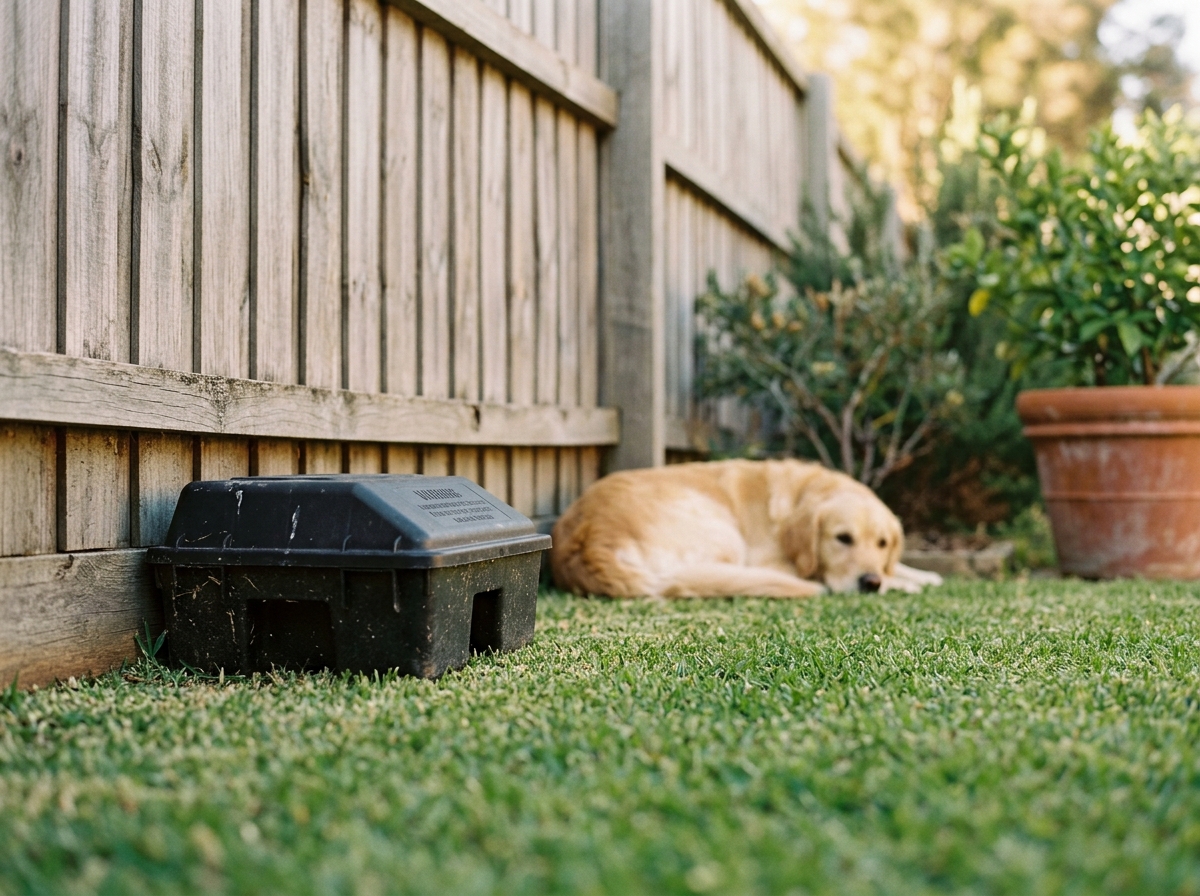
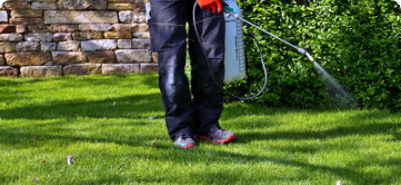
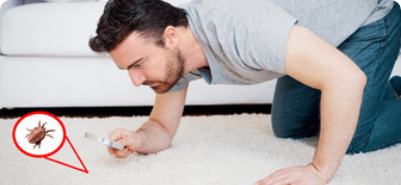
Rodenticide poisoning in pets happens because dogs and cats can reach bait in several ways, not only by eating it directly. That is why pet-safe rat baiting in Parramatta starts with how and where bait is used, not just which product goes down.
How pets come into contact with bait
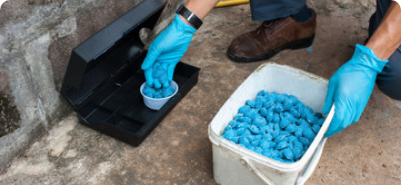
Loose or poorly placed bait is the most obvious danger, since a curious dog can swallow it in seconds. This applies to anticoagulant rat bait for dogs and cats, and to other bait types such as cholecalciferol (vitamin D3) and bromethalin, a neurotoxic rodenticide. Each carries its own risks for pets, so none should be left where an animal can reach it.
Secondary poisoning is a second route. A pet that eats a poisoned rodent can be harmed because the bait stays active in the animal’s body. Contact with treated areas is a third. Many pest products contain chemicals that are toxic to pets if swallowed, inhaled or picked up from surfaces.
Rat bait toxicity symptoms to watch for
- Vomiting
- Lethargy or unusual tiredness
- Changes in normal behaviour
In severe cases, poisoning can be fatal, so treat any of these signs seriously after rat control work.
Why placement matters
Safety has to be built into the plan from the start. We assess activity and risk first, then use contained bait only where it suits your home.