- Home/
- Buy Propecia at Low Price in Australia Online
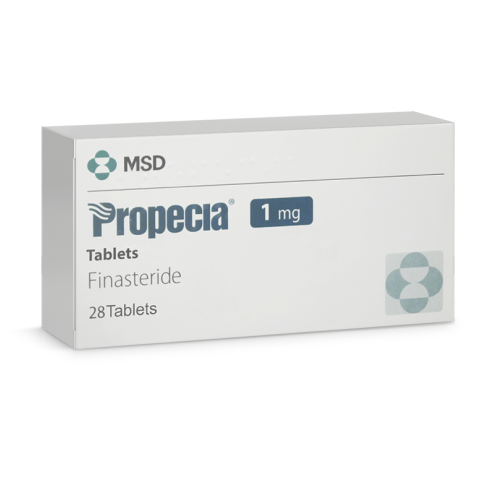
Propecia (finasteride) is a prescription medication used by men in Australia to treat male pattern hair loss. It works by lowering levels of a hormone that causes hair follicles to shrink and thin over time. The single most important thing to know: Propecia can slow or stop hair loss for many men, but results take months, and not everyone will notice visible regrowth—so expectations, safety, and the Australian prescription process matter as much as the drug itself.
Propecia in Real Life: Where Hope Meets Reality for Hair Loss
The first time most men hear about Propecia, it doesn’t come from a doctor’s mouth—it comes from a mate, a late-night Google search, or an online forum. You see the before-and-after shots, the “is it safe?” debates, and the quiet hope that something, finally, could stop the slow retreat of your hairline. In Australia, where directness is a virtue and snake oil is met with suspicion, the question isn’t just “does it work?” but “does it stack up—here, under our rules, our healthcare system, and our standards?”
For many, Propecia is the first real stop after the shampoos, the supplements, the wishful thinking. It’s not a miracle, and it doesn’t claim to be. But it is, clinically, the only oral medication approved in Australia for male pattern baldness. That status carries weight: it means robust evidence, regulatory scrutiny, and clear pathways for access—if you know how to navigate them.
Key truth, upfront: Propecia works best for men in the early stages of hair loss, especially at the crown. It slows or stops further loss for most, but visible regrowth is far less certain—and expectations that don’t match reality are the surest path to disappointment.
Ask any GP or hair loss specialist in Sydney, Melbourne, or Perth, and you’ll get a version of the same conversation: “What you’re buying with Propecia isn’t just hope—it’s time. Time to keep the hair you have, to make your own decision about when (or if) to move on to other treatments, and, just as importantly, a chance to avoid regret.”
But there’s a flip side. Every year, hundreds search ‘Propecia without prescription’ or ‘Propecia cheap’ online, hoping for a shortcut. The reality: in Australia, prescription is not optional, and buying Propecia outside regulated channels is not just illegal—it’s unsafe, with genuine risks of counterfeit or poorly stored medicines.
Propecia is the real deal for many men facing male pattern hair loss in Australia—but only if you understand what it can and can’t do. Hopes are high, but so are the standards for safety and access here.
How Finasteride Changes the Game: A Look Inside the Science—and Your Scalp
Hair loss is tangled up with identity, confidence, and sometimes even shame. But at the root (quite literally) is a simple hormonal mechanism that finasteride, the active ingredient in Propecia, was designed to disrupt.
Finasteride blocks an enzyme (5-alpha reductase) that converts testosterone into dihydrotestosterone (DHT)—the hormone that triggers hair follicle shrinkage in genetically predisposed men. Over months, less DHT means slower hair loss and, for some, the chance for thicker, stronger hair to return. Scientific reviews confirm this effect, especially at the crown of the scalp, where pattern baldness hits hardest. But the mechanism also explains why Propecia doesn’t work for everyone, and why its benefits are gradual, not instant.
- Visible improvement typically takes 3-6 months; maximum benefit is seen at 1 year.
- If you stop taking Propecia, any gains are usually lost within 6-12 months.
- The drug does not affect hair follicles that have already been dormant for years—early adoption matters.
What does this mean for your daily life? Results demand patience—and strict routine. Missing doses occasionally probably won’t undo progress, but stopping altogether will. Clinical guidelines in Australia recommend continuing long-term if benefit persists and side effects stay tolerable. For some, this is a years-long journey; for others, a temporary pause before considering alternatives like minoxidil, microneedling, or hair transplantation.
Stat: In large Australian and international trials, up to 90% of men saw a halt in further hair loss with Propecia, but only about 65% experienced some regrowth. [TGA]
Propecia vs. The Rest: What Your Options Really Mean in Australia
Once you’ve moved past herbal teas and “miracle” serums, the field narrows quickly. In Australia, the two cornerstone treatments for male pattern hair loss are Propecia (finasteride, oral) and minoxidil (usually topical). Others—like dutasteride, supplements, laser devices—fight for attention but lack the same level of evidence or approval.
| Attribute | Propecia (Finasteride) | Minoxidil | Dutasteride |
|---|---|---|---|
| Form | Oral tablet (1 mg) | Topical solution or foam | Oral capsule (not TGA approved for hair loss) |
| Mechanism | Blocks DHT formation (type II 5AR inhibitor) | Unclear; increases blood supply to follicles | Blocks DHT formation (type I & II 5AR inhibitor) |
| Approved Use (Australia) | Yes | Yes | No (off-label only) |
| Effectiveness | Stops loss in >80%, regrowth in ~65% | Slows loss in ~60%, regrowth in ~40% | Likely more potent, but higher risk; not first-line |
| Common Side Effects | Sexual (4%), mood, breast changes (rare) | Scalp irritation, unwanted hair elsewhere | Sexual (up to 10%), more systemic effects |
| Prescription Required? | Yes | No | Yes—off-label |
| Availability in Pharmacy | Yes, with script | Yes, over-the-counter | No for hair loss (prostate only) |
| Typical Monthly Cost | $70–$100 (brand); generics lower | $30–$60 | Varies; not subsidised |
Interpretation: For most men in Australia, Propecia is the only oral medication licensed and easily accessible for male pattern baldness, with proven benefit. Minoxidil is the standard topical option—sometimes used together, but not a substitute. Dutasteride, though potentially more powerful, is not TGA-approved for this use and carries a higher side effect burden. “Propecia without prescription” or “Propecia online” from overseas sources skips safety checks and can result in legal or health risks.
Buying or Ordering Propecia in Australia: What the Law—and Your Pharmacist—Say
Plenty of men search “buy Propecia online” or “Propecia without prescription” hoping for faster, cheaper, or more discreet access. In Australia, that isn’t just a loophole—it’s a risk. Propecia is a Schedule 4 medication here, meaning it must be prescribed by a registered medical practitioner (GP, dermatologist, or hair loss specialist). After your script, you can fill it at any local pharmacy—brick-and-mortar or a legitimate Australian online pharmacy. Buying Propecia from overseas or unregulated sites increases the risk of counterfeit, expired, or poorly handled medicine. And, you could be breaking the law.
Warning: There is no legal way to purchase Propecia in Australia without a prescription. Pharmacies—physical or online—will not dispense it without seeing your valid Australian script. Sites offering Propecia without prescription are operating outside Australian law and may endanger your health.
Australian pharmacists are required to check your details and script before dispensing. If you’re using a telehealth or online doctor service, ensure it’s registered in Australia—this protects you and ensures any side effects are properly monitored. ‘Propecia cheap’ deals online are often too good to be true; the real cost may be your safety or identity.
- See a registered doctor for assessment and prescription—can be in-person or via telehealth, but must be Australian-registered.
- Fill your script at a community pharmacy or trusted online pharmacy operating in Australia.
- Ask about generic finasteride: same active ingredient, often lower cost, but must still be prescribed.
- Check for “Propecia in pharmacy” availability—most stock it, but sometimes need to order in.
- Never attempt to import or buy Propecia from overseas online stores without a prescription—risk of seizure, fines, or unsafe medicine.
Which Side Effects Matter Most with Propecia—and When to Act
Every medication carries risks, but Propecia’s side effect profile is the subject of outsized debate. The most talked-about are sexual side effects—reduced libido, difficulty achieving erection, or reduced semen volume. According to Australian and international trials, these affect around 4% of users, with most cases resolving after stopping the medication. But numbers mean little if you’re the one affected.
Stat: Less common are mood changes (depression, anxiety), breast tenderness or swelling, and rashes. Long-term risks, including “post-finasteride syndrome,” are debated; evidence is incomplete, and most men experience no persistent symptoms after stopping.
How should you interpret these risks? For many, mild side effects disappear within weeks or with continued use. Some persist, and a very small number may be long-lasting. The true risk of severe or irreversible effects appears very low in Australian data, but is not zero.
| Side Effect | How Common? | Contact Doctor If… |
|---|---|---|
| Reduced libido / sexual dysfunction | 4–5% | Persists for more than a few weeks or causes distress |
| Breast tenderness/swelling | <1% | Notice any lump, nipple discharge, or pain |
| Mood changes (depression, anxiety) | Rare | Experience persistent low mood, anxiety, or suicidal thoughts |
| Rash or itching | Rare | Severe rash, swelling, or difficulty breathing (allergy risk) |
| Testicular pain | Rare | Persistent or severe pain develops |
Most side effects are mild and reversible; however, any persistent or severe symptom should prompt a review. Early discussion with your doctor can help tailor treatment—or move to an alternative if needed.
Who Should Never Take Propecia? Australian Standards and Real Clinical Judgment
Absolute Contraindications: Women and children should never take Propecia—safety and efficacy are not established, and accidental exposure in pregnancy can harm a male fetus. Men with known hypersensitivity to finasteride or inactive ingredients in Propecia must also avoid it.
Relative Contraindications: Caution in men with significant liver disease—finasteride is metabolised in the liver, and data is limited. Men planning to father a child soon may wish to discuss timing, as small amounts of finasteride can be present in semen, though risk to the fetus is considered theoretical and negligible by most Australian specialists. If taking medications that affect hormone balance or have a history of severe depression, medical supervision is strongly advised.
Doctor’s clinical insight matters most here—deciding when potential benefit outweighs risk, especially in men with borderline cases or additional health issues.
Doctor: “The most common misunderstanding I see is young men in their late teens, desperate to stop early hair loss, pushing for Propecia. I always explain: the medication is only indicated for adults, and starting too early, without clear pattern baldness, carries more risk than benefit. The right patient is one who understands both the upside and the downside, and is ready for regular follow-up.”
How to Take Propecia for Real Results: What Patients Get Wrong Most Often
Routine is the secret ingredient. Propecia is taken as one 1 mg tablet, once daily—with or without food, morning or night. The dose does not change based on weight, age (if adult), or hair loss severity. Skipping days or “doubling up” to catch up doesn’t improve results; consistency matters far more than timing.
- Persistence
- The main predictor of success with Propecia is not hair loss severity or age—it’s how consistently you take it, month after month. Many men quit after 3 months, disappointed; real assessment isn’t possible until 6–12 months of regular use.
Stopping Propecia leads to reversal of its effects within a year. If you’re considering stopping for any reason, consult your doctor first—especially if you’ve had side effects or are thinking about a switch to another product.
Propecia and Cost in Australia: ‘Affordable’ vs ‘Cheap’—and What You’re Paying For
“How much does Propecia cost?” and “Where can I buy Propecia cheap?” are among the most-searched phrases in Australia. The honest answer is: it depends. The brand-name Propecia tends to cost $70–$100 per month at Australian pharmacies, with generics (finasteride 1 mg) often available for $30–$60. Both require a prescription. Importantly, Propecia is not subsidised by the Pharmaceutical Benefits Scheme (PBS) for hair loss—so you pay out-of-pocket, whether buying in person or via a registered online pharmacy.
Affordability isn’t just about sticker price. Generic finasteride is chemically identical to Propecia, but brand loyalty, packaging, and pharmacy markups can all change what you pay. Discuss this with your pharmacist—“Propecia in pharmacy” is often just the start of a conversation about affordable options.
Ordering Propecia online from an Australian pharmacy can sometimes save a few dollars, but beware: legitimate sites will always require a prescription. If you encounter “Propecia without prescription” or “Propecia cheap” deals, check for Australian registration and contact information before proceeding. Saving money is never worth the risk of fake or unsafe medication.
FAQ: Your Real Questions About Propecia in Australia, Answered
- Can I buy Propecia in Australia without a prescription?
- No. Australian law requires a prescription for Propecia (finasteride 1 mg) for hair loss. Any source offering “Propecia without prescription” is not legal or safe.
- Is it safe to order Propecia online from overseas?
- No, it’s not recommended. Buying or ordering Propecia online from non-Australian sites risks counterfeit products, legal penalties, and lack of safety oversight. Always use an Australian-registered pharmacy with a valid script.
- What’s the difference between Propecia and generic finasteride?
- Both contain finasteride 1 mg—the active ingredient. Generics are usually less expensive, work the same way, and are available at most pharmacies in Australia with a prescription.
- If I stop taking Propecia, will my hair fall out again?
- Yes, typically within 6–12 months, any benefit gained will be lost and hair loss will resume at the previous rate. That’s why ongoing use is required to maintain results.
- How long does it take to see results from Propecia?
- Most men will notice a halt in hair loss after 3–6 months, with visible regrowth taking up to 12 months. Persistence is key; don’t stop too early.
- Are the sexual side effects of Propecia permanent?
- In almost all cases, side effects resolve after stopping Propecia. Persistent effects are rare, but if you notice ongoing issues, consult your doctor—it’s important to discuss all symptoms honestly.
- Can women use Propecia for hair loss?
- No. Propecia is not approved for use in women and can be dangerous in pregnancy. Women of childbearing age must not handle crushed or broken tablets due to risk of absorption.
- Is Propecia affordable in Australia?
- Brand-name Propecia costs $70–$100 per month, generics around $30–$60. Look for “Propecia in pharmacy” or discuss affordable options with your pharmacist. Prices vary, but legitimate products are never “cheap” in the sense of being unregulated.
Sources and References
- Therapeutic Goods Administration (TGA), Australia
- NPS MedicineWise: Finasteride for Hair Loss
- Australian Hair and Scalp Foundation. Clinical Guidelines: Male Pattern Hair Loss. 2023
- Consumer Medicine Information: Propecia
- TGA Guidance: Finasteride 1 mg
- Mayo Clinic: Finasteride (oral route)
- PubMed – Finasteride and Male Pattern Hair Loss
- International Society of Hair Restoration Surgery. Practice Recommendations. 2021