
What Are the Top 5 Winter Pests in the Blue Mountains?
Winter often pushes pest activity indoors, and the Blue Mountains’ cool nights, wooded surroundings, and mix of older and newer builds make it a recurring issue for homeowners. When people search for pest control Blue Mountains, they are usually reacting to pests seeking warmth, food, moisture, and shelter.
In a local context, “winter pests” are the species that slip inside to ride out the cold, then spread quickly once heating and steady indoor temperatures kick in.
1) Cockroaches: why they still thrive in winter
Cockroaches do not disappear in winter. They simply shift deeper into warm, protected hiding zones such as kitchens, wall voids, behind fridges, and around drains.
The risks include food contamination, asthma and allergy triggers, and fast breeding once heaters are on. When activity spikes, same-day pest extermination in the Blue Mountains can help regain control quickly, alongside sealing entry points as part of a broader, long-term plan.
2) Rodents (mice and rats): the classic cold-weather invaders
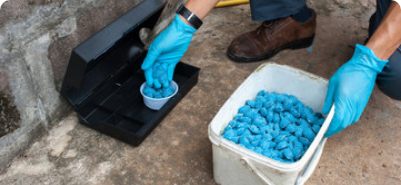
Rodents enter for warmth, pantry food, and nesting materials, with roof insulation, drains and subfloors offering ideal cover. They often stay hidden until damage or noise becomes obvious.
Common signs include droppings, gnaw marks, scratching in ceilings, and grease marks along edges. A thorough Blue Mountains rodent inspection comes first, followed by a consistent, timely approach using proven methods, barrier/exclusion work, and follow-up inspections to confirm that activity has stopped.
3) Termites: winter doesn’t mean they stop
A common misconception is that termites “pause” in winter. In reality, they can remain active year-round, especially where timber is protected and moisture is present.
The danger is hidden structural damage that grows quietly. A termite inspection Blue Mountains can identify activity before repairs become costly, and termite control may be needed even when signs look subtle or intermittent.
4) Ants: foraging indoors when weather shifts
When outdoor conditions turn colder, ant colonies seek stable indoor temperatures and reliable food. They often appear as trails along skirting boards and window lines, and around pet food or pantries.
Professional support typically starts with detailed inspections and ant infestation identification, then a customised plan with targeted treatments. That approach usually works better than DIY sprays, which can worsen the spread by splitting colonies.
5) Bed bugs: winter travel and indoor heating can keep them active
Winter is still a risk because visitors, holiday stays, second-hand furniture, and heated bedrooms help bed bugs persist. They can also arrive unnoticed in luggage and settle quickly.
Signs include clustered bite marks, black spots on seams, and live bugs in the mattress piping. Where confirmed, same-day pest extermination is a practical option, with safe, eco-friendly, child and pet-friendly options particularly important in sleeping areas.
Why Do Winter Pests Move Inside Local Homes?
In many cases, pest control Blue Mountains call-outs rise in winter for one simple reason: conditions inside homes become more attractive than outside. The three main drivers are warmth (heaters and roof cavities), food (stored goods and crumbs), and moisture (leaks and condensation).
Local housing features contribute to the problem, including older homes, subfloors, fireplaces, gaps in weatherstripping, and easy access to nearby bushland. Because winter infestations can be hidden and recurring, high standards and proven methods are often the difference between a short-lived fix and a stable result.
When Should You Book Pest Control Blue Mountains Services?
They should consider pest control Blue Mountains services as soon as there are clear warning signs, rather than waiting for a mid-winter emergency. Early action is often faster, cheaper, and less disruptive than treating a fully established infestation.
Decision triggers include:
- pest control Blue Mountains support for any termite indicators, including mud leads, hollow-sounding timber, or unexplained swelling
- recurring cockroaches or ants, especially around kitchens and bathrooms
- rodent noises at night, droppings, or gnawing damage
- bed bug signs in bedrooms or after guests and travel
- unexplained damage, odours, or persistent moisture issues near timber
Many providers offer competitive pricing and detailed inspections, which help reduce hesitation and improve accuracy. It also helps to stay alert to seasonal spikes and local warnings by following Sydney pest control news.
How Can Pest Control Blue Mountains Help Prevent Winter Infestations?
Pest control Blue Mountains services usually prevent winter problems best when they follow a clear process: inspection, customised plan, targeted treatments, sealing entry points, and follow-up inspections. That structure supports flexible, thorough, client-specific pest control for households and businesses.
Options often include affordable pest control without compromising standards, plus eco-friendly, child and pet-friendly options where safety is critical. For many properties, barrier pest control Blue Mountains exclusion work is the key step that stops repeat winter entries. Done properly, pest control Blue Mountains becomes proactive, not reactive.
What Can Homeowners Do to Keep Winter Pests Out?
Alongside pest control Blue Mountains support, homeowners can reduce winter pest pressure with a practical checklist that complements professional treatments rather than replacing them.
A simple winter checklist:
- Seal gaps around pipes, vents, subfloor access points, and weather-stripping
- Store pantry foods in sealed containers and clean crumbs under appliances
- Fix leaks, improve ventilation, and address condensation around windows
- Keep firewood off the ground and away from walls
- Reduce clutter in garages and storage areas where pests shelter
- Book a proactive inspection and agree a customised plan, especially where termites are a risk
Reliable providers can conduct thorough inspections, use safe methods, and arrange same-day pest extermination where appropriate for fast-moving issues. For a local, lasting plan that fits the property, homeowners should prioritise pest control in the Blue Mountains.