
Hiring a termite specialist in Sydney is not just about finding someone who can spray a visible problem. In NSW, termite work can involve pesticide use, timber pest knowledge, written reporting, and long-term prevention planning. Verifying licensing helps protect the property, the people inside it, and the quality of any treatment recommended.
What Does a Licensed Termite Specialist in Sydney Actually Do?
A licensed termite specialist Sydney inspects, identifies, treats, and helps prevent termite activity in line with NSW pest management requirements. The NSW EPA states that pest management technicians need a licence when using pesticides for paid pest control work, and a timber pest management technician licence is being phased in for termite and other timber pest treatments.
A good technician should assess more than visible damage. They should check moisture, subfloor ventilation, timber-to-ground contact, garden beds, tree stumps, retaining walls, plumbing leaks, and concealed entry points. This matters because termite colonies usually begin outside a structure and enter from the ground.
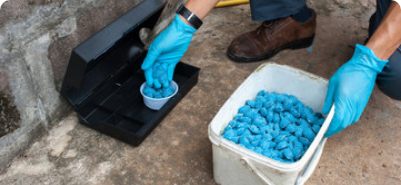
For home termite control, the technician should explain what was found, whether the activity appears active or historic, and what should happen next. That may include baiting, dusting, foaming, soil treatment, physical changes, or a termite barrier Sydney homeowners can maintain through regular inspections.
How Can You Check a Termite Specialist’s NSW Licence?
A termite specialist Sydney should provide licence details before inspection or treatment. Ask for the technician’s full name, NSW licence number, licence class, and expiry date. You can then check those details through the NSW EPA public register, which lists pesticide licences issued in NSW.
Use this checklist before booking:
- Ask whether the attending technician is licensed for termite or timber pest work.
- Confirm whether the quote covers inspection only, treatment, follow-up, or prevention.
- Request a written scope for termite inspections Sydney, including subfloor, roof void, garage, fences, trees, retaining walls, and moisture-prone zones where accessible.
- Ask which products or systems may be used and whether they are suitable for pets, children, gardens, and the site layout.
- Check whether reporting gives practical prevention advice and clear limitations.
Red flags include vague licence answers, pressure to book immediately, cash-only pricing, no written report, or a one-size-fits-all treatment plan. A reliable termite specialist Sydney should be able to explain why the proposed method suits the property.
Why Should You Avoid Unlicensed Termite Treatments?
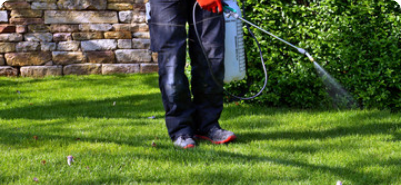
Unlicensed termite treatments can create safety, legal, and property risks. Incorrect chemical use may expose people, pets, soil, or waterways to unnecessary risk. It can also fail to reach the colony, which means termites may continue feeding behind walls, under flooring, or through structural timbers.
Australia has roughly 350 termite species, with about 30 considered pest species, so correct identification matters. Subterranean termites can be highly destructive because they often travel through concealed mud tubes and keep feeding while damage remains hidden.
Poor work also affects termite control Sydney outcomes. If the operator only treats visible insects but misses moisture sources, concealed pathways, or the need for monitoring, the property may remain vulnerable. In some cases, the missing step is long-term termite protection Sydney, such as scheduled inspections, bait station monitoring, or a properly planned barrier system.
Documentation is another issue. A licensed termite specialist Sydney should provide clear findings, treatment recommendations, safety notes, limitations, and follow-up advice. That paper trail can matter for property sales, strata records, commercial compliance, and future pest history.
When Should You Call a Termite Specialist Sydney Homeowners Can Trust?
Call a termite specialist Sydney as soon as warning signs appear. Common signs include mud tubes, hollow-sounding timber, soft skirting boards, tight doors or windows, bubbling paint, discarded wings, clicking noises in walls, or timber that breaks easily when pressed.
You should also book early after risk events. Heavy rain, leaking pipes, poor drainage, bathroom renovations, new decking, landscaping, mulch against walls, and neighbouring termite activity can all increase risk. Sydney’s mix of older homes, timber framing, subfloors, garden-heavy blocks, and humid coastal conditions makes regular monitoring important.
For many properties, termite pest control Sydney is not a once-off job. It is a cycle of inspection, treatment, prevention, and review. Andy’s Pest Control’s Sydney service page also highlights inspection reports, colony-focused treatment, barriers, baiting, thermal imaging, moisture meters, and ongoing prevention across Sydney, Penrith, the Blue Mountains, Northern Beaches, and Eastern Suburbs.
Businesses should act early, too. Cafes, childcare centres, offices, warehouses, strata buildings, and retail spaces may need a regularly scheduled termite inspection Sydney to reduce disruption, manage safety expectations, and maintain records.
What Questions Should You Ask Before Booking a Termite Inspection?
Before booking, ask direct questions. A termite specialist Sydney should answer them clearly and without rushing you.
- What is your NSW licence number, class, and expiry date?
- Are you licensed for timber pest treatment, not just general pest control?
- Will you inspect the roof void, subfloor, exterior timbers, fences, trees, moisture zones, and accessible wall areas?
- Do you use moisture meters, thermal imaging, or other tools when conditions require them?
- Will the report identify active termites, damage, conducive conditions, and recommended next steps?
- Is the quote for inspection, treatment, termite barrier Sydney installation, bait station monitoring, or follow-up visits?
- How long will treatment take, and what needs to happen before people or pets re-enter treated areas?
The safest way to check a provider is to verify the licence, confirm the inspection scope, and ask for a written plan before any treatment starts. The right termite specialist Sydney will combine licensing, local experience, accurate reporting, and practical termite protection Sydney rather than offering a quick spray with no long-term plan.
For Sydney homes and businesses, the best next step is simple: book a licensed termite specialist Sydney for a detailed inspection before visible damage spreads.