You May Also Like:
- Do New Homes in Sydney Still Need Termite Treatment?
- Can Termites Spread From One House to Another?
- How Long Does Termite Removal Take?
Yes, termites can come back after treatment, especially if the colony was not fully eliminated or the conditions that attracted them remain. In Sydney, the climate and many common building styles make ongoing prevention and monitoring a key part of long-term success with termite treatment Sydney.
Why Can Termites Return After Treatment in Sydney Homes?
Termites return when the original infestation is only partly addressed or when new colonies find an easy way in. With termite treatment Sydney, the outcome depends on both elimination and reducing the site’s ongoing risk.
Missed termites are common because they can stay hidden in wall voids, subfloors, roof timbers, and concealed galleries. That is why a thorough termite inspection Sydney matters both before and after termite treatment Sydney, with clear reporting to confirm what was found and what was treated.
Sydney risk factors also play a major role. Moisture from plumbing leaks, poor drainage, or damp subfloors can keep the property attractive, and timber-to-soil contact, landscaping, mulch, and stored timber can create easy access points. Many locals also notice “termites Sydney” pressure increases during warm, humid periods, which can expose weaknesses in barriers.
Service quality matters too. Rushed jobs can leave gaps in coverage, while high standards, proven methods, and a consistent and timely approach help reduce reinfestation. Good pest and termite treatment should be client-specific and thorough, not a one-size-fits-all spray-and-go.
Finally, cost misconceptions can lead to poor decisions. Affordable pest control without compromising standards is possible, but only when inspections and documentation are detailed and the plan matches the building and risk profile.
How Long Does Termite Treatment Last in Sydney Conditions?
“Lasting” can mean different things, and termite treatment Sydney is best seen as a system rather than a single event. A chemical barrier might offer residual protection for years if installed correctly, while baiting relies on ongoing effectiveness and monitoring rather than a fixed end date.
Duration changes based on key variables, including infestation severity, property size, construction type, soil type, moisture levels, and later landscaping changes. In practice, treatment time varies based on infestation severity and property size, and so does how long the protection remains reliable without adjustments.
Some households prefer eco-friendly, child and pet-friendly options. These can fit termite treatment Sydney plans, but they may come with different monitoring and maintenance needs to keep protection consistent.
Documentation is also critical. Treatment certificates, diagrams, and reinspection intervals set by a termite specialist Sydney help owners understand what was done, where, and when it should be checked again after termite treatment Sydney.
With proactive planning, routine checks and sealing entry points can extend outcomes and reduce the chance termites Sydney reappear, even when conditions shift over time.
What Types of Termite Treatment Are Most Effective for Preventing Reinfestation?
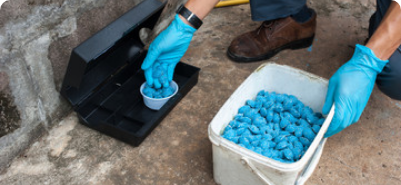
The most effective termite treatment Sydney approach depends on the structure, the termite species, and access. Common options include chemical barriers, baiting systems, dust or foam, direct wood treatments, and integrated programmes that combine several methods.
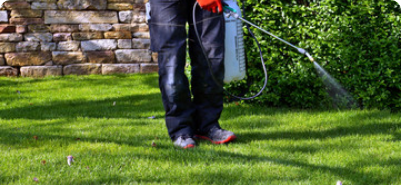
Chemical soil barriers are widely used and can be highly effective in many Sydney homes. They work by creating a treated zone that termites cannot cross unseen, but correct trenching and injection is essential. If there are gaps around piers, pipes, retaining walls, or renovations, termites can bypass the barrier, which is why detailed inspections matter before and after termite treatment Sydney.
An integrated pest and termite treatment approach tends to deliver the strongest prevention where risk is ongoing. A solid process typically looks like:
- Inspection and risk assessment of the whole property
- Customised plan and clear reporting
- Targeted treatments based on access and activity
- Sealing entry points and reducing conducive conditions
- Follow-up inspections and monitoring to confirm control
Professional selection makes a measurable difference. Choosing a termite specialist Sydney with high standards, competitive pricing with detailed inspections, and clear reporting improves prevention outcomes and keeps termite treatment Sydney effective over time.
Eco-friendly, child and pet-friendly options can also be included without compromising standards when applied correctly and backed by ongoing monitoring.
What Can You Do to Stop Termites Coming Back After Treatment?
Owners can dramatically improve termite treatment Sydney results by reducing moisture, removing food sources, and keeping a consistent monitoring schedule. These steps help prevent new colonies from taking advantage of the same conditions.
A practical moisture-control checklist includes fixing leaks quickly, improving subfloor ventilation, maintaining gutters and downpipes, and ensuring drainage slopes away from the building. Moisture attracts termites Sydney because it supports their survival and makes timber easier to access without exposure.
They should also respond promptly to warning signs such as mud tubes, discarded wings, and hollow-sounding timber. If other pests appear, some providers offer same-day pest extermination for bed bugs and cockroaches, but any termite signs should trigger an urgent termite inspection Sydney and a review of the existing termite treatment Sydney plan.
Professional follow-up matters. After termite treatment Sydney, they should schedule rechecks, ask for a customised plan, and request written recommendations they can action across the year.
DIY attempts often backfire. Disturbing active areas can cause termites to relocate and spread, so a termite specialist Sydney should coordinate ongoing termite control Sydney and adjust the plan based on evidence, not guesswork.
How Often Should You Schedule Termite Inspections in Sydney?
For most properties, an annual inspection is a clear baseline, and some homes need checks more often. After termite treatment Sydney, frequency should follow the professional report and be adjusted as new risks appear.
Inspection cadence depends on previous activity, nearby bushland, moisture issues, renovations, landscaping, older construction, and subfloor structures. These factors are common across many suburbs and reflect ongoing “termites Sydney” pressures that do not disappear after one treatment.
Budget and service expectations can still be met with the right provider. Competitive pricing with detailed inspections, flexible scheduling for households and businesses, and affordable pest control without compromising standards helps make routine checking realistic, especially after termite treatment Sydney.
They should book sooner than planned after heavy rain or flooding, before and after renovations, when neighbours report termites, or when any warning signs appear. A termite specialist Sydney should set the inspection cadence and refine the plan over time so termite treatment Sydney remains effective.
If they want the best chance of preventing reinfestation, they should book a thorough termite inspection Sydney now and ask for a documented, property-specific termite treatment Sydney plan with scheduled follow-ups.