What actually happens to your property during termite removal?
Termite removal is designed to eliminate termites while keeping disruption low. In most cases, any visible “damage” is from the existing infestation, not the termite removal process itself.
In Sydney homes, the workflow usually starts with a detailed inspection to confirm termite activity, locate risk areas, and map access points. From there, the technician selects the least invasive termite removal option first, based on where termites are travelling and feeding.
Timing matters. Early termite removal often avoids opening up timber, skirting boards, or plasterboard, because the colony can be treated before it spreads deeper. If termites have already caused extensive damage, repairs may still be needed regardless of termite removal.
Treatment time varies with property size and severity, and proper termite control includes follow-up inspections. In some cases, a specialist may recommend broader pest and termite control to address contributing factors such as moisture, entry points, and other pests flagged in Sydney pest control news.
How do professionals prevent damage during termite removal treatments?
Professionals reduce disruption by planning termite removal around access, risk, and termite behaviour, using a “least-invasive first” approach. That means avoiding unnecessary cutting, lifting, or demolition unless it is the only way to reach active zones.
They rely on an inspection-led process: thorough checks for moisture, entry-point risks, and timber condition, sometimes using timber sounding or thermal tools where appropriate. Clear documentation is taken before termite removal begins, so there is a record of affected areas and treatment decisions.
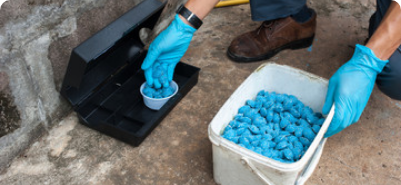
Targeted methods also protect the property. Termite removal may involve precise drilling patterns, controlled injection volumes, discrete bait-station placement, and careful sealing afterwards to keep surfaces neat and stable.
To reduce repeat disruption, they may recommend sealing entry points, improving subfloor ventilation, and scheduling follow-up inspections. High standards, proven methods, consistent and timely approaches, and competitive pricing with detailed inspections also help households plan budgets without rushed work that risks avoidable damage during termite removal.
Can termite removal cause structural damage to walls or foundations?
Termite removal rarely causes structural damage. When structural issues are found, they are usually caused by termite activity itself or pre-existing timber decay that has weakened key supports.
In walls, the main impact from termite removal is typically small access points for treatments, such as drilling into mortar joints or plaster. These holes are usually patched, and professionals avoid opening walls unless there is a clear reason.
Minor invasive access may be unavoidable when termites are active in wall cavities, subfloor areas are inaccessible, or previous repairs have hidden galleries. In these situations, termite removal may require limited entry to treat the source, not just the symptoms.
If inspections show compromised structural timber, a builder should be involved after termite removal to replace damaged members. The order matters: termite control first, repairs second. In termite Sydney conditions, warmth and moisture can accelerate risk, so ongoing monitoring after termite removal helps protect structural integrity long term.
What precautions are taken to protect your home during termite removal?
Before termite removal starts, technicians typically set simple protection steps to avoid accidental damage. They confirm access routes, discuss what needs to be moved, and explain safety requirements for children and pets.
Common precautions include:
- Covering nearby surfaces and protecting flooring where tools will be used
- Using low-traffic access routes to reduce scuffs and bumps
- Advising safe storage of food, toys, and pet items if needed
- Confirming pet/child-friendly options and re-entry guidance
Cleanliness is also part of the process. During termite removal, professionals control drilling dust, keep application zones contained, and handle tools carefully around paintwork, tiles, and cabinetry.
Scheduling and communication reduce risk too. Same-day pest extermination may be available for bed bugs, cockroaches, and similar issues, but termite removal is typically inspection-first to avoid guesswork. Clients are told timing and access needs upfront so they can prevent accidental damage during treatment.
Where appropriate, eco-friendly, child and pet-friendly options and low-odour products are used, with ventilation guidance after termite removal. Flexible, thorough, client-specific pest control means precautions are adapted to flats, heritage homes, and large properties.
Is termite removal safe for floors, furniture, and interior spaces?
Modern termite removal is generally suitable for occupied homes because treatments are targeted, planned, and applied in controlled locations. Professionals advise what to move, if anything, based on the termite removal method and where activity is detected.
For floors, technicians avoid lifting boards or disturbing tiles unless necessary. If subfloor access exists, termite removal can often be completed underneath, protecting interior finishes and keeping furniture disruption minimal.
Air quality concerns are addressed through approved products, precise placement, and clear instructions on ventilation and re-entry times where applicable. This helps keep indoor exposure low during termite removal.
The key trade-off is “damage versus necessity”. If termites have already weakened floor joists or subfloor timber, repairs may be needed after termite removal. Termite removal stops the cause, but it cannot reverse existing damage.
They should choose a termite specialist who provides reliable and effective pest control services with thorough inspections and safe methods, plus follow-up inspections, to keep termite removal low-impact and protect the home. Book an inspection and get a customised plan today to stop termites before they cost more.