You May Also Like:
Concrete slabs feel “termite-proof”, but termites can still access timbers through tiny gaps and hidden moisture zones. The best termite treatment Sydney plan usually depends on how the slab is detailed, where moisture sits, and whether a continuous treated zone is actually achievable.
How Do Termites Enter Concrete Slab Homes in Sydney?
Termites travel unseen in soil and can build mud that leads to bridge small gaps, which makes slab edges and concealed entry points critical. A termite specialist Sydney will usually start by locating active workings, mapping risk zones, and identifying conducive conditions before any pest and termite treatment is chosen.
Common entry routes include slab edge cracks, construction joints, weep holes, expansion joints, concealed paths behind cladding, and subfloor-to-wall transitions in split-level builds. Moisture drivers such as leaking plumbing, poor drainage, garden beds against walls, and shaded damp zones attract activity and raise the need for termite protection in Sydney.
A thorough inspection supports termite control Sydney by confirming where termites are active and what is drawing them in, rather than guessing. That inspection also guides a licensed termite pest control Sydney team towards the right termite treatment Sydney approach for the slab design.
Are Chemical Barriers Effective Under Existing Slabs?
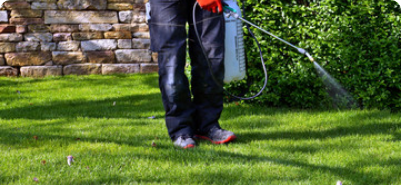
Yes, chemical soil barriers can be highly effective when the treated zone is continuous and correctly dosed. In termite treatment Sydney work, these are typically non-repellent termiticides applied around slab perimeters and at key risk points to intercept termites moving through soil.
Existing slabs add limitations: access constraints, the need for drilling and injection at expansion joints or internal penetrations, and the risk of gaps if continuity is not achieved. Chemical barriers work best when installed or renewed by a licensed termite pest control Sydney team after a detailed inspection, with documented treated zones and clear reporting for termite protection Sydney.
Modern products can be used with eco-friendly, child- and pet-friendly options when used correctly, supporting safer termite control outcomes. Where slab design allows a continuous perimeter and treated interfaces, a barrier can be a strong termite treatment Sydney option.
When Are Termite Baiting Systems a Better Option Than Barriers?
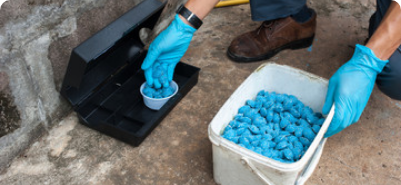
Baiting is a colony management strategy: stations intercept foraging termites, then a slow-acting bait spreads through the colony. For termite treatment in Sydney, this can be ideal when the property layout makes a continuous chemical zone difficult.
Baiting often suits slab homes with tight boundaries, extensive paving, complex slab design, or where owners prefer lower chemical use as part of pest and termite treatment planning. The trade-off is that baiting needs ongoing monitoring, and results depend on termite activity patterns and correct station placement.
Many homes do best with combined strategies: baiting plus targeted local treatment of active areas, guided by a termite specialist in Sydney. This integrated termite treatment Sydney approach aligns with broader termite control Sydney practice, where inspection findings and risk tolerance drive the method.
- Best suited to complex sites where barriers cannot be continuous
- Lower overall chemical use preference
- Requires scheduled monitoring and maintenance
- Often paired with targeted treatment around active workings
How Long Do Termite Treatments Last in Slab Construction?
Chemical barriers can last several years depending on the product, soil conditions, and site disturbance, while baiting lasts as long as monitoring continues. For termite treatment in Sydney, expectations of longevity are less about a “permanent fix” and more about keeping protection intact as the site changes.
Lifespan is shortened by landscaping changes, soil movement, renovations, new paving, drainage changes, and untreated bridging points that bypass the treated zone. Staying informed through Sydney pest control news helps owners anticipate seasonal activity spikes and local risk alerts that affect termite control Sydney planning.
Annual or risk-based inspections remain essential even after successful termite treatment in Sydney, especially for slab homes with moisture issues. Longevity ties directly to workmanship: proven methods, thorough inspection reports, and a consistent and timely approach from a termite pest control Sydney provider.
Can Slab Penetrations Increase Termite Risk Over Time?
Yes, slab penetrations such as plumbing and conduits can become hidden pathways as seals degrade or cracks form. A good termite treatment Sydney plan treats penetrations as ongoing risk points, not one-off details.
Warning signs around penetrations include dampness, blistered paint, hollow-sounding timber in adjoining walls, and mud leads in service cavities. Targeted options may include localised injection, foam or dust in wall cavities where appropriate, and the integration of nearby bait stations as part of pest and termite treatment.
Sealing entry points supports termite protection in Sydney, but it should sit alongside monitoring and follow-up inspections for reliable termite control Sydney. To protect the property properly, they should book a detailed inspection with a termite specialist in Sydney and request a tailored termite treatment Sydney plan that matches their slab construction.