You May Also Like:
Rats thrive in Sydney apartment buildings because they offer warmth, shelter, steady food sources, and hidden travel routes that connect multiple flats. When sightings repeat across floors, many residents quickly search for rodent control in Sydney to stop the problem before it spreads.
How Do Rats Travel Between Flats in Multi-Storey Buildings?
Rats move through flats using built-in “highways” that run vertically and horizontally through the structure. This is why a single report can turn into multiple calls for rodent control in Sydney across different levels.
Common travel routes include wall cavities, plumbing chases, electrical conduits, lift shafts, stairwells, HVAC ducts, and service risers. Rats can squeeze through surprisingly small gaps, especially where sealing is poor or deteriorated.
Typical entry points inside flats and common areas include under-sink pipe penetrations, laundry drain outlets, balcony doors and weep holes, gaps behind ovens, ceiling downlights, and poorly sealed skirting boards.
A thorough building inspection is important because it identifies travel paths before any rodent treatment begins in Sydney. A consistent and timely approach helps stop re-entry and reduces repeat infestations.
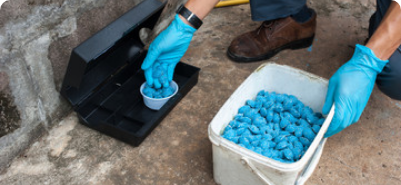
Best-practice rodent control in Sydney usually combines targeted baits or traps in tamper-resistant stations, exclusion work to seal entry points, and follow-up inspections. This targeted approach also supports affordable pest control without compromising standards.
Why Do Shared Roof Cavities Attract Rats in Sydney Flats?
Shared roof voids are warm, quiet nesting zones with minimal disturbance, which makes them ideal for rats. Because roof cavities can connect multiple units, rodent control Sydney often needs to treat the roof space as a whole, not just one flat.
Rats commonly access roof cavities via overhanging trees, utility lines, cracked tiles, eave gaps, ridge capping issues, and poorly sealed vents. Sealing entry points reduces ongoing access and helps prevent future activity.
Risks include gnawed wiring, insulation contamination, scratching noises, odours, and increased disease exposure, which is why households and businesses often seek rodent control in Sydney quickly. Early action can also reduce costly repairs and support high standards and proven methods.
A structured process typically includes a roof void inspection, a customised plan, targeted treatments, and follow-up inspections conducted safely. Where appropriate, eco-friendly, child- and pet-friendly options can be used for roof-void baiting or trapping.
Do Rubbish Rooms and Chutes Increase Rodent Activity?
Rubbish rooms are prime feeding sites because food odours and a constant supply of waste attract rodents. Waste chutes can spread smells and access across levels, which can increase demand for rodent control Sydney in strata buildings.
Common failures include broken chute doors, overflowing bins, poor cleaning schedules, and gaps around compactors or utility penetrations. These issues provide easy access to food and consistent food sources, encouraging rats to stay close to the building.
From bin areas, rats can move towards flats via corridors, ducts, and service risers. This often leads to recurring reports that trigger more searches for rodent control Sydney, especially when residents spot activity near lifts, car parks, or bin rooms.
Strata prevention usually focuses on improving waste storage, sealing gaps, installing door sweeps, maintaining consistent cleaning, and monitoring. When activity is confirmed, professional rat pest control in Sydney helps ensure treatment is safe, compliant, and effective.
For urgent sightings, some providers offer same-day service aligned with same-day pest extermination standards used for bed bugs and cockroaches, while noting rodents may require staged treatment and follow-ups. This is also where staying informed through Sydney pest control news can help strata act earlier.
Who Is Responsible for Rat Control in Strata Buildings?
Responsibility is usually split: the strata or owners corporation manages common property such as bin rooms, basements, roof cavities, and risers, while residents manage inside-lot issues unless building defects are the cause. Clear roles make rodent control in Sydney faster, more coordinated, and less likely to fail.
Coordinated action matters because untreated common areas can reseed flats, causing repeat infestations and higher long-term costs. A flexible, thorough, client-specific pest control approach helps align residents and strata on what gets fixed and when.
A strata-ready service for rodent removal in Sydney should include thorough inspections, detailed reporting, a customised plan, targeted treatments, sealing entry points, and follow-up inspections. This also supports reliable, effective pest control services through detailed inspections and safe methods.
Budgeting should aim for competitive pricing with detailed inspections and identification of contributing factors. For active infestations, rat exterminator Sydney support can be paired with rodent control Sydney contracts for ongoing prevention, particularly where treatment time varies based on infestation severity and property size.
How Can Apartment Residents Prevent Rats Without Structural Changes?
Residents can reduce attraction by controlling food, clutter, and odours, even when they cannot change the building structure. These steps support rodent control Sydney outcomes and lower the risk of repeat activity between visits.
Practical habits include:
- Store food in sealed containers and clean surfaces nightly.
- Wash dishes promptly and manage pet food carefully.
- Declutter storage areas to remove nesting spots.
- Tie rubbish bags tightly, rinse recyclables, and avoid leaving rubbish on balconies.
“Soft proofing” can help without major works, such as removable door sweeps and temporary mesh covers for vents where permitted, while reporting gaps to strata for sealing entry points. Residents should document sightings and notify strata early so whole-building rodent control Sydney can start before rats spread.
Where baits or traps are needed in shared buildings, professional handling is important for safety and compliance, including eco-friendly, child and pet-friendly options where appropriate. For tailored packages across different budgets and property types, residents and strata should book rodent control Sydney inspections and request a customised plan with follow-up visits.